
Trailer Yard Management: Transforming Logistics Operations with Smart Technology
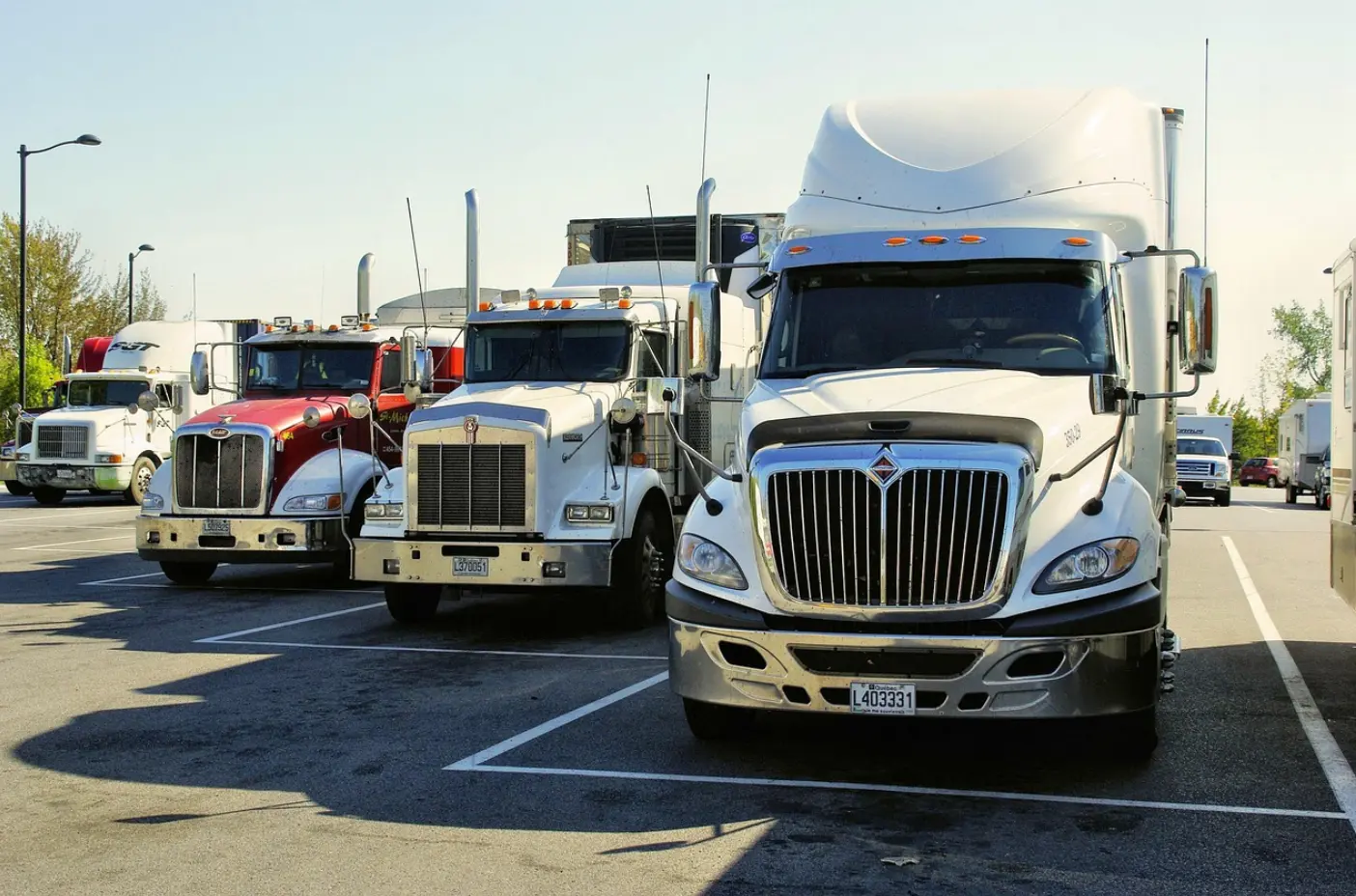
Trailer yard management is a crucial link between highway transportation and warehouse operations. It coordinates the complex movement of assets that keeps North America's daily goods transport, worth over $50 billion, running smoothly. This is where trucks, trailers, and cargo come together—yet surprisingly, this area has been left out of the digital transformation that is affecting modern logistics.
Effective yard management is more than just organizing parking spaces. It directly influences customer satisfaction, operational expenses, and the strength of the supply chain. When trailers are left unused because of lack of visibility or mistakes in manual coordination, profits decrease and customer expectations are not met.
The Challenges in Traditional Yard Operations
Traditional yard operations are facing increasing pressure from high demand growth and a stagnant workforce. Manual processes that used to work are now causing delays that affect entire supply networks. Logistics coordination problems become even more difficult when you have to manage multiple facilities without being able to see assets in real-time.
The Solution: Advanced Yard Management Systems (YMS)
Advanced Yard Management Systems (YMS) are here to solve this problem. They bridge the gap in operations by turning disorganized yards into well-organized, data-driven spaces that increase efficiency and reduce costs.
Understanding the Challenges in Traditional Trailer Yard Operations
Traditional trailer yard operations suffer from critical yard inefficiencies that create bottlenecks across the entire supply chain. You face constant struggles with trailer visibility issues when drivers arrive at your facility without knowing where to park or which dock door to use. This lack of real-time location data forces your yard personnel to physically search for specific trailers, wasting valuable time and resources.
Manual processes dominate most yard operations, requiring your staff to rely on clipboards, radios, and outdated tracking systems. Your yard managers spend hours coordinating trailer movements through phone calls and paper-based logs, creating delays that ripple through your entire operation. These inefficient manual coordination methods lead to:
Extended driver detention times resulting in increased costs and strained carrier relationships
Misaligned scheduling between inbound trailers and available dock doors
Poor asset utilization with trailers sitting idle in suboptimal locations
Limited visibility into trailer status and contents
The misalignment between warehouse and transportation activities creates significant throughput challenges. Your warehouse teams often wait for trailers that haven't been properly staged, while transportation coordinators lack visibility into dock availability and processing times. This disconnect between systems and departments creates a data black hole where critical information gets lost, preventing you from optimizing your yard operations and maximizing efficiency.
The Role of Yard Management Systems (YMS) in Modernizing Trailer Yard Management
A Yard Management System is a digital tool that helps organize and streamline yard operations, turning them into efficient, data-driven processes. These advanced platforms keep track of every trailer and truck movement within your facility, creating a detailed virtual representation of your physical yard activities.
Core Functions of YMS
Modern YMS platforms offer real-time trailer tracking using integrated technologies that continuously capture and process movement data. The system keeps accurate records of each asset's location, whether it's parked at dock doors or moving through specific yard areas.
Key operational features include:
Dock door scheduling that automatically assigns trailers to optimal loading positions based on priority, load type, and operational constraints
Geofencing capabilities that create virtual boundaries around critical yard areas, triggering automated alerts and workflow actions
Asset movement orchestration that coordinates trailer positioning with warehouse activities
Automated check-in/check-out processes that eliminate manual paperwork and reduce processing times
Improving Operational Performance
YMS technology solves the visibility problem that often affects traditional yard operations. With YMS, you can easily see where each trailer is located, what its load status is, and how it has been moving in and out of the yard.
The benefits of YMS extend to various aspects of your operations:
Better asset utilization through optimized trailer positioning and reduced search times
Higher throughput via synchronized dock scheduling and automated workflow triggers
Lower detention costs by minimizing driver wait times and streamlining yard processes
Greater operational visibility that enables proactive decision-making and exception management
The system's intelligent algorithms analyze past trends and current situations to recommend the best places for trailers, predict potential bottlenecks, and automatically adjust schedules based on changing priorities. This data-driven approach shifts yard management from being reactive to becoming predictive, allowing you to anticipate and prevent disruptions before they impact your supply chain performance.
Integrating Advanced Technologies for Enhanced Yard Efficiency
Modern trailer yard management requires complex integration between various operational systems to achieve maximum efficiency. The effectiveness of a Yard Management System increases significantly when it is connected with Transportation Management Systems (TMS), Warehouse Management Systems (WMS), and workforce management tools through smooth data exchange protocols.
Benefits of TMS Integration
TMS integration allows yard operators to have real-time visibility into transportation schedules for both incoming and outgoing shipments. This enables them to anticipate when trailers will arrive and make necessary preparations for dock assignments. By having direct communication between your YMS and TMS platforms, you can eliminate any uncertainties regarding driver appointments and proactively manage congestion in the yard before bottlenecks occur.
Benefits of WMS Integration
WMS integration establishes a synchronized flow between warehouse operations and activities taking place in the yard. This connection enables warehouse managers to directly communicate important information such as dock door availability, loading priorities, and inventory requirements to personnel working in the yard. As a result, you gain the ability to stage trailers based on the capacity of the warehouse and processing schedules, which leads to reduced idle time and maximized throughput.
Benefits of Workforce Management Tools Integration
Workforce management tools integrated with YMS platforms give yard supervisors a comprehensive view of how staff members are allocated and how tasks are being completed. These systems automatically assign spotter drivers to high-priority moves and track performance metrics across different shifts.
Additional Benefits of Integrated Systems
The advantages of having integrated systems go beyond just improving operational efficiency:
Automated decision-making: Systems can automatically prioritize trailer movements based on real-time data about warehouse capacity and transportation schedules.
Reduced detention fees: By optimizing dock scheduling, precise coordination between systems can minimize wait times for drivers.
Enhanced asset utilization: Real-time sharing of data allows for better allocation of space and reduces the amount of time trailers spend sitting empty.
Improved customer service: Integrated platforms provide accurate delivery windows and proactive communication about any potential delays.
These interconnected systems transform fragmented yard operations into a cohesive ecosystem driven by data that can adapt dynamically to changing operational demands.
Leveraging AI and Emerging Technologies in Trailer Yard Management Solutions
AI in yard management transforms traditional operations through intelligent pattern recognition and predictive analytics. Modern systems analyze historical data to optimize trailer movement patterns, reducing unnecessary repositioning and minimizing congestion at dock doors. Machine learning algorithms continuously refine these patterns based on real-time conditions, weather impacts, and seasonal demand fluctuations.
Load planning benefits significantly from AI-driven optimization engines that consider multiple variables simultaneously:
Trailer capacity utilization based on product dimensions and weight distribution
Route efficiency for inbound and outbound movements
Dock door assignments aligned with warehouse processing capabilities
Driver detention minimization through predictive scheduling
Mobile technology empowers yard personnel with instant access to critical information through ruggedized devices and smartphones. Real-time updates enable spotters to receive movement instructions immediately, while supervisors monitor yard status from anywhere on-site. These mobile solutions integrate seamlessly with existing systems, providing push notifications for urgent tasks and automated status confirmations.
5G-enabled yard solutions revolutionize communication infrastructure by delivering ultra-low latency data transmission. The enhanced bandwidth supports multiple high-definition camera feeds, IoT sensor networks, and simultaneous mobile device connections without performance degradation. Automation reaches new levels as 5G networks enable instantaneous data processing for computer vision systems, allowing real-time trailer identification, damage detection, and security monitoring.
Edge computing capabilities powered by 5G infrastructure process data locally, reducing cloud dependency and improving response times. This technological foundation supports advanced applications like predictive maintenance alerts, automated gate operations, and dynamic yard optimization that adapts to changing conditions within seconds rather than minutes.
Case Study: Terminal Industries' Yard Operating System™ - Transforming Trailer Yard Management for Large Enterprises
Terminal Industries Yard Operating System™ is a game-changer for mid-market to large enterprises when it comes to managing yard operations across their facilities. This innovative platform, powered by artificial intelligence (AI), fills the gap between warehouse management systems and transportation management systems. It specifically caters to companies with five or more warehouses that need efficient coordination across multiple yards.
Unmatched Automation and Efficiency
One of the standout features of Terminal's solution is its SmartYMS™ component, which brings unprecedented automation to yard operations. By leveraging AI-powered computer vision technology, this platform achieves an impressive 99.5% accuracy in data capture while seamlessly managing complex workflows within the yard.
Companies that have implemented Terminal's solution have reported significant improvements in their operational efficiency. On average, these organizations have experienced a boost in throughput exceeding 50% during the initial phase of deployment. In some cases, businesses have even seen a complete return on investment within just five months.
Key Factors Driving Performance
Terminal's success in optimizing yard operations can be attributed to three key technological elements:
AI Vision Technology: With our cutting-edge Terminal-in-a-Camera™ hardware, we eliminate the need for traditional infrastructure setups. This means we can deploy our solution in a matter of hours without any disruptive trenching or extensive IT modifications.
Automated Gate Processes: Our system incorporates bi-directional traffic flow management, resulting in a reduction of driver detention fees by more than 25%. At the same time, we ensure strict compliance with security protocols.
Network Connectivity: Through single-pane-of-glass visibility across multiple yards, we enable centralized management and standardized operations. This allows companies to have a holistic view of their entire yard network and make informed decisions accordingly.
Customizable Workflows for Diverse Needs
We understand that every business has unique requirements when it comes to managing their assets and loads. That's why our system is designed with flexibility in mind.
The modular architecture of Terminal's platform allows enterprises to customize workflows based on specific attributes such as asset type and load characteristics. For example:
High-value shipments may require enhanced verification protocols to ensure their safety and integrity.
Standard freight can follow automated pathways for faster processing.
This level of customization proves particularly valuable for companies that handle diverse product portfolios across different types of facilities.
Seamless Implementation and Scalability
We recognize that implementing new technologies can sometimes disrupt existing operations. That's why we've developed a rapid deployment model that minimizes any potential disruptions during the implementation process.
Our cloud-native infrastructure is built to scale effortlessly as companies expand their yard networks. Whether you're opening new facilities or increasing traffic volume at existing ones, you can trust that our system will maintain consistent performance standards regardless of size or complexity.
With Terminal's Yard Operating System™, you can revolutionize your trailer yard management processes and achieve greater efficiency across your enterprise operations.
Best Practices for Successful Implementation of Trailer Yard Management Solutions
Implementing best practices in yard management requires a structured approach that addresses both technological and human factors. You need to establish clear implementation phases that gradually introduce digital capabilities while maintaining operational continuity.
Strategic Transition Framework
Phase 1: Assessment and Planning
Conduct comprehensive yard workflow audits to identify manual bottlenecks
Map existing data flows between yard operations and connected systems
Define specific KPIs for measuring process automation success
Phase 2: Technology Integration
Deploy core YMS functionality in controlled pilot areas
Establish real-time data connections with existing WMS and TMS platforms
Configure automated workflows for high-frequency yard activities
Staff Training Excellence
Staff training forms the cornerstone of successful trailer yard management transformation. You must develop role-specific training programs that address different user groups:
Yard personnel: Hands-on mobile device training and workflow navigation
Supervisors: Dashboard utilization and exception management protocols
IT teams: System integration and troubleshooting procedures
Training should emphasize practical scenarios rather than theoretical concepts. You achieve better adoption rates when staff understand how new technologies directly improve their daily tasks and reduce manual workload.
Performance Monitoring Systems
Continuous monitoring through advanced reporting tools enables data-driven optimization. You should establish automated alerts for key performance indicators including trailer dwell times, dock door utilization rates, and asset location accuracy. Regular performance reviews identify improvement opportunities and validate ROI projections across your yard network.
Future Trends Shaping the Evolution of Trailer Yard Management
The future of yard management is being reshaped by an unprecedented focus on supply chain resilliance. Recent global disruptions have exposed vulnerabilities in traditional logistics networks, pushing organizations to prioritize adaptable, intelligent yard systems that can respond dynamically to changing conditions. You're witnessing a shift from reactive to predictive yard management, where AI-powered platforms anticipate bottlenecks before they occur and automatically adjust operations to maintain flow continuity.
Technology Advancements Driving Change
Technology advancements are accelerating this transformation at breakneck speed.
5G networks will enable real-time data processing capabilities that make current systems look antiquated, allowing for instantaneous communication between yard assets, personnel, and management systems.
Computer vision technology is evolving beyond basic tracking to provide sophisticated analytics on trailer conditions, load optimization, and predictive maintenance scheduling.
The Importance of Sustainability
Sustainable logistics practices are becoming non-negotiable requirements rather than competitive advantages.
Smart yard systems now integrate carbon footprint tracking,
optimize routes to reduce emissions,
support electric vehicle charging infrastructure planning.
You'll see yard management platforms incorporating sustainability metrics directly into operational dashboards, making environmental impact as visible as throughput statistics.
The Future of Yard Operations
The convergence of these trends points toward autonomous yard operations where human oversight focuses on strategic decisions while AI handles routine coordination. This evolution transforms yards from operational bottlenecks into intelligent logistics hubs that actively contribute to supply chain optimization and resilience.
Conclusion
The logistics industry needs efficient trailer yard management solutions that connect highway and warehouse operations. Traditional manual processes can't keep up with the $50+ billion worth of goods moving every day through North America's 50,000+ warehouses and factories.
You need advanced Yard Management Systems to unlock the full potential of your operations. Terminal's Yard Operating System™ is the next generation of logistics optimization, delivering:
Rapid ROI within 1 year through AI-powered automation
99.5% data accuracy with proprietary computer vision technology
50%+ throughput improvement via SmartYard™ workflows
90% reduction in asset search time across yard networks
The competitive advantage goes to operators who embrace digital transformation now. Trailer yard management technology has evolved from a luxury to a critical business need. Companies with 5+ yards handling high-volume traffic can't afford to stay in the analog era while competitors use AI-native solutions.
Your yard operations have untapped potential waiting to be released. The question isn't whether to modernize—it's how quickly you can implement solutions that turn your yards from operational bottlenecks into competitive advantages.
:quality(85))
:quality(85))
:quality(85))
:quality(85))
:quality(85))
:quality(85))
:quality(85))
:quality(85))
:quality(85))
:quality(85))
:quality(85))
:quality(85))
:quality(85))
:quality(85))


