
2025 Market Guide
Yard Management
Featured Vendor
Copyright Terminal Industries © 2025 All Rights Reserved
Technical Index
blog
A Waymo can navigate a car park. It is not pulling a 53-foot trailer into your unmapped yard. Six prerequisites that have to be true before autonomy arrives.
blog
Replacing the clipboard with a tablet does not reduce dwell. The difference between a digitised gate and an automated one, and five questions that reveal which you have.
blog
The models are the easy part. Camera position, uplink, domain drift and weather are what decide whether yard computer vision works at forty sites or one.
blog
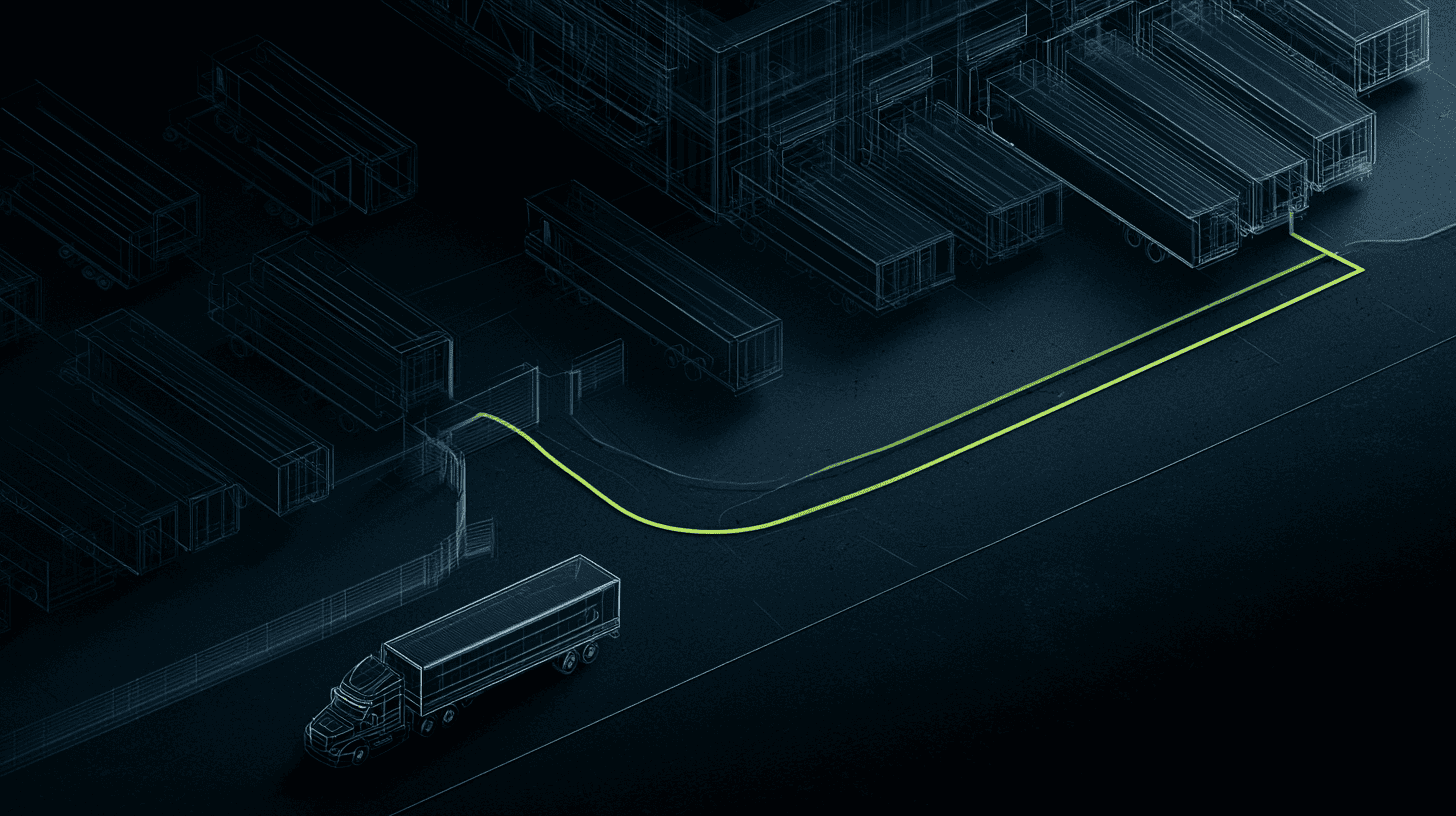
A yard task records what happened. A yard mission is the whole job, orchestrated end to end. Why the unit of work determines whether automation is possible.
blog
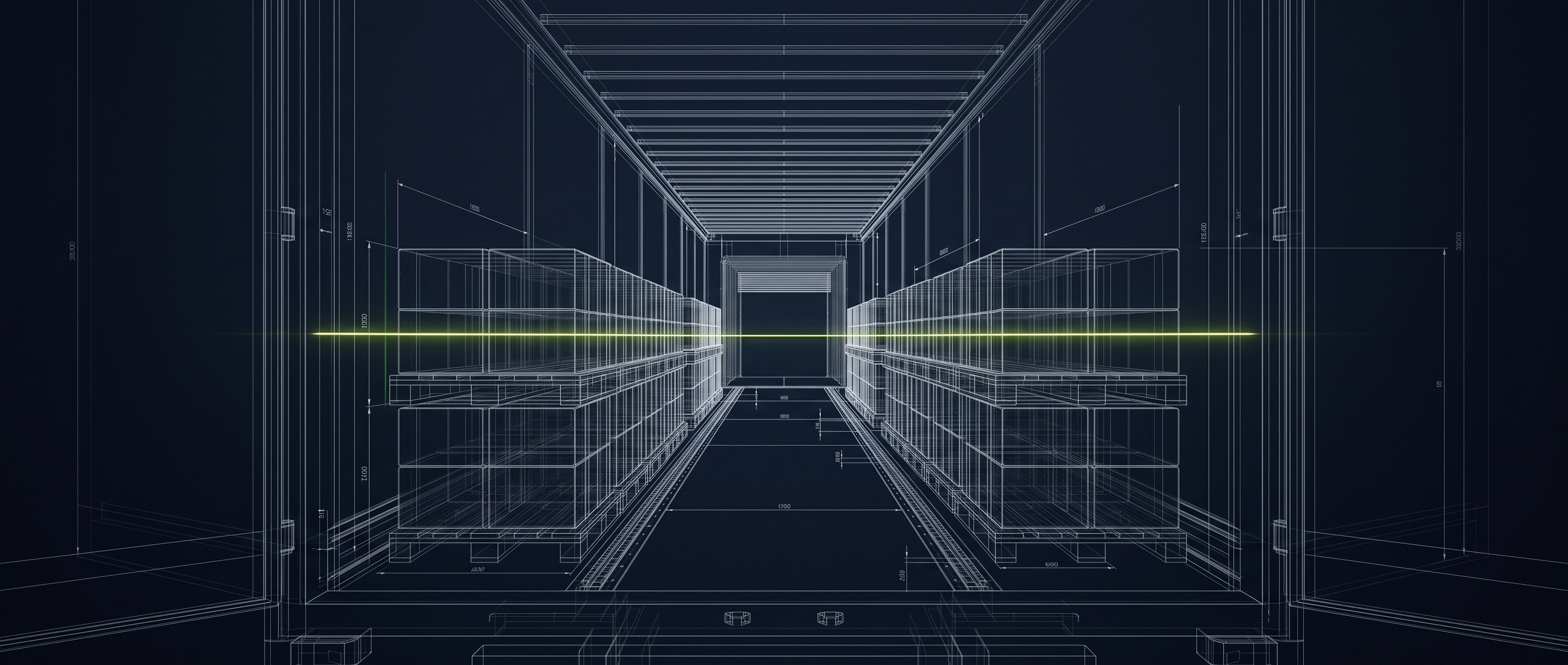
Cargo theft is now a verification problem, not a perimeter problem. How to check the carrier, the driver and the load before the freight leaves your gate.
blog
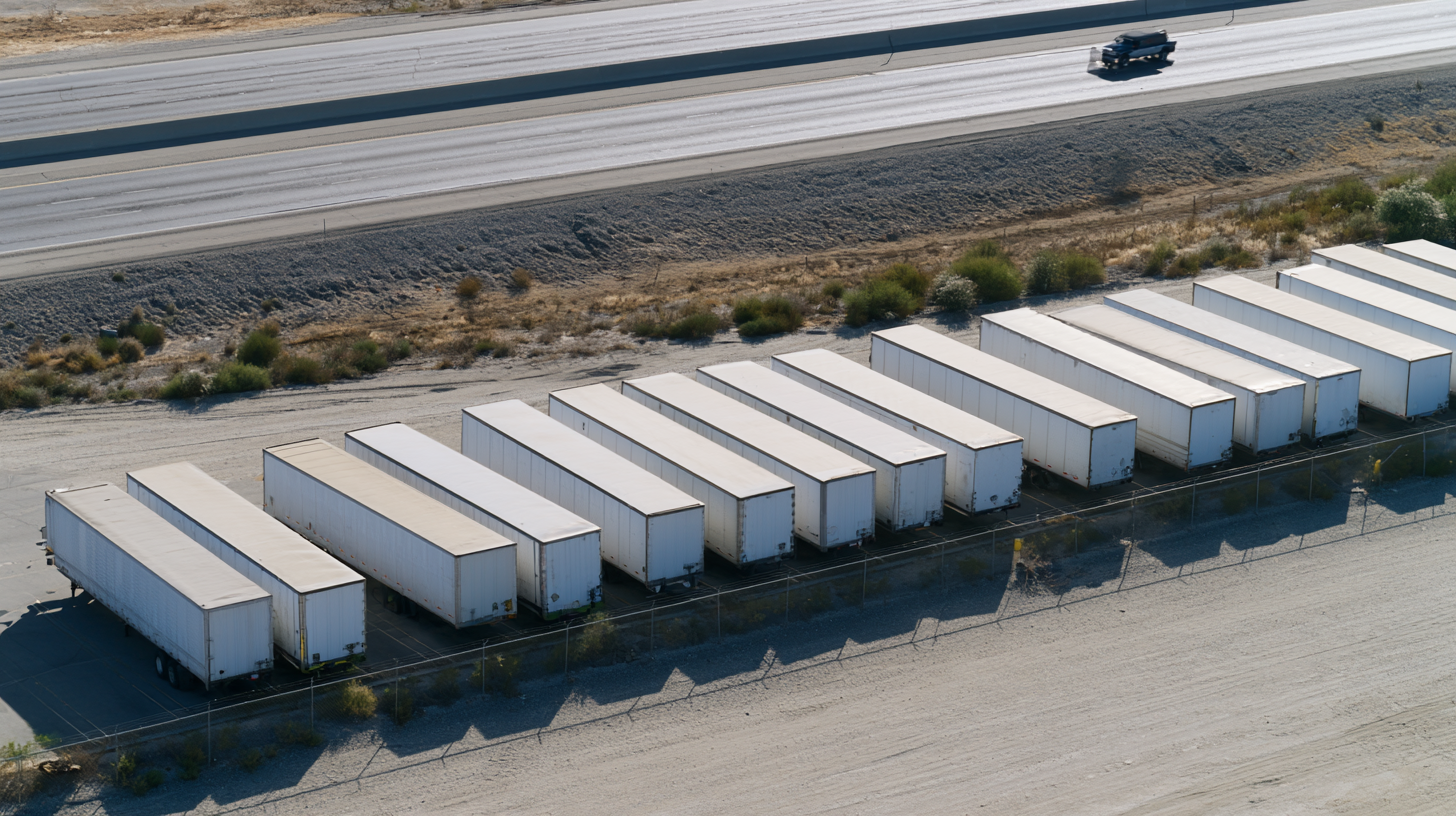
Trailer tracking built for the road dies at the gate. Here's what actually tracks trailers inside the yard — and why cameras beat devices.

blog
On FreightWaves Today, Terminal CPO Chris Brumett called the yard the Rodney Dangerfield of supply chain solutions: it gets no respect, largely because no one clearly owns the handoff between over the road and the warehouse. That ownership gap shows up as a manual guard shack running parallel to the system that actually runs the operation, and organized cargo crime has learned to work the seam, with over 60% of theft now built on impersonation rather than bolt cutters. The yard is not a low-value asset, it is a high-value asset with a low-value reputation, and now that computer vision is more accessible, the excuse for leaving it unmeasured has expired.

blog
Legacy vendors treat the yard as a series of discrete modules, separate workflows you bolt on one at a time, while Terminal delivers one AI-native Yard Operating System where new capabilities are apps you simply turn on. Start with the app you need today, add more as your yard grows, and run every site on one system with real-time visibility across your entire network.
blog
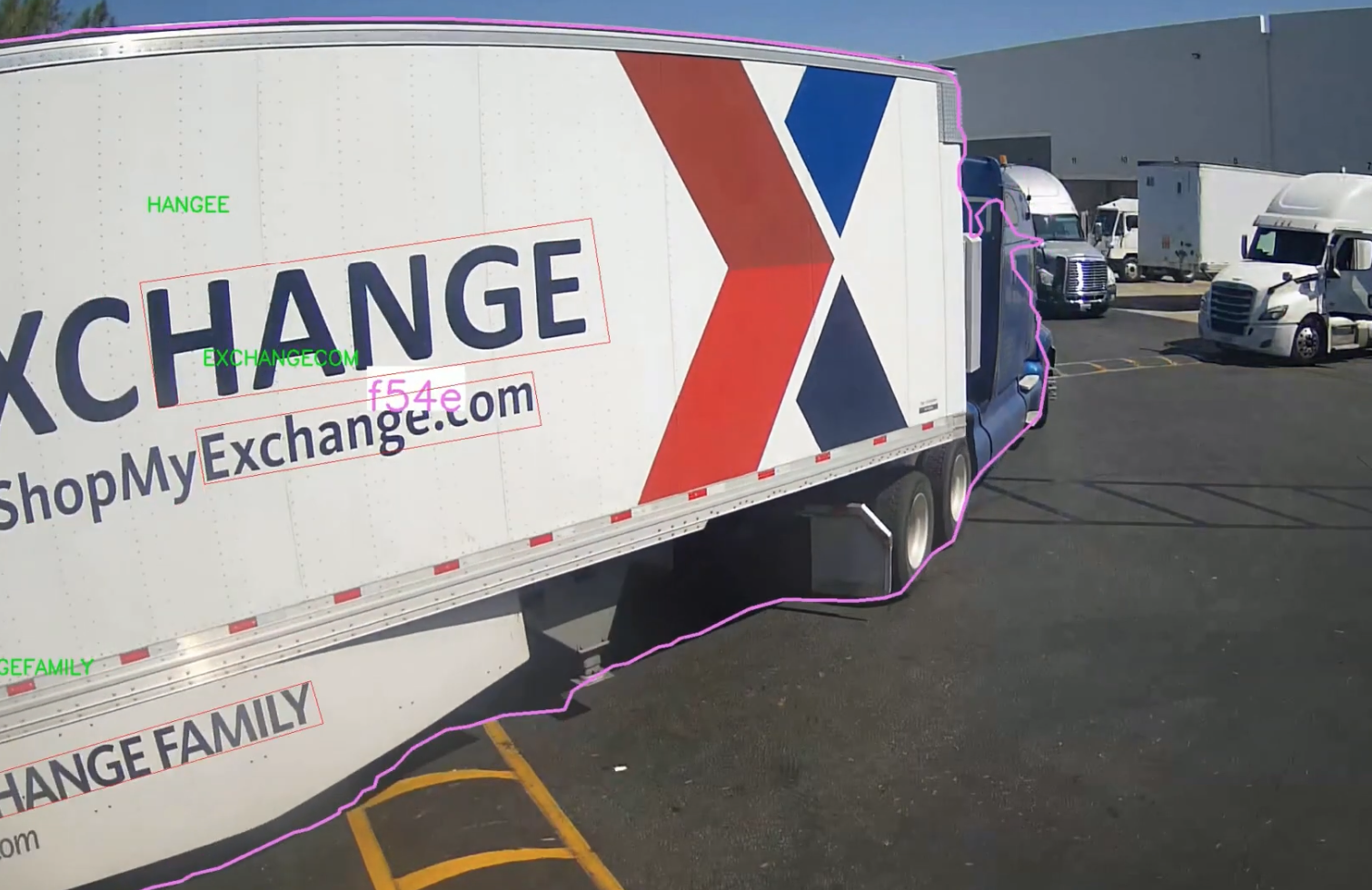
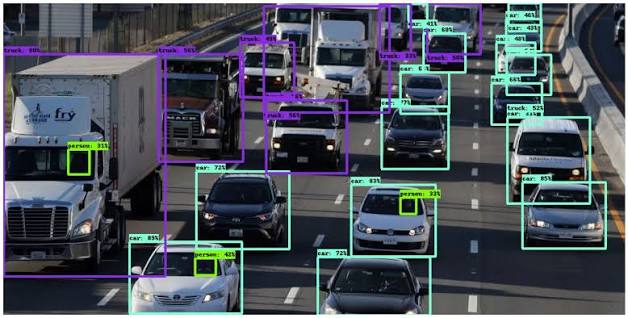
OCR (the "AI camera" most gate vendors actually sell) just reads characters into a string and hands the work back to your guard, dispatcher, and clerk, which is why a faster clipboard never transforms a yard. Terminal's computer vision reads, then classifies and understands the whole scene, then acts on it (open the gate, hold the fraudulent carrier, route the reefer), turning recorded data into orchestrated decisions worth 4x ROI in year one.
blog
Computer vision is still priced like 2010s enterprise software: six figures up front, long implementations, and a point tool you manage on the side. The economics underneath it have shifted, so Terminal delivers CV at a price built for ROI, folded into the yard platform you already run rather than bolted on beside it.

blog
The YOS era retires the purpose-built YMS, which is still just a tidier task list, and replaces it with an AI-native system that orchestrates yard missions from data it captures directly. In doing so, it closes the highway-to-warehouse gap and feeds your WMS the clean, live input it needs to finally run at full speed.
2025 Market Guide
Yard Management
Featured Vendor


Copyright Terminal Industries © 2025 All Rights Reserved
Technical Index